
Blogs

Introduction to Object-Oriented Data Management As data grows in complexity and volume, traditional approaches to data management often struggle to keep pace with modern businesses' needs....
How Universal Dataset Interoperability Empowers Organizations with Data Accessibility, Consistency, and Trust In today's data-driven world, organizations face challenges from the proliferation of diverse, disparate data...

What is a Corrupted Data Architecture? How do you explain the lack of trust in your analytics data? Could your data architecture be corrupted? You bet....

Garbage, Garbage Everywhere A common catchphrase within the IT community is “Garbage in, Garbage out”. You can best characterize most current data architectures as a collection...

The Silver Bullet Current datasets do not interact freely and therefore remain data silos. Siloed datasets have hindered business and IT for over three decades. Conversely,...
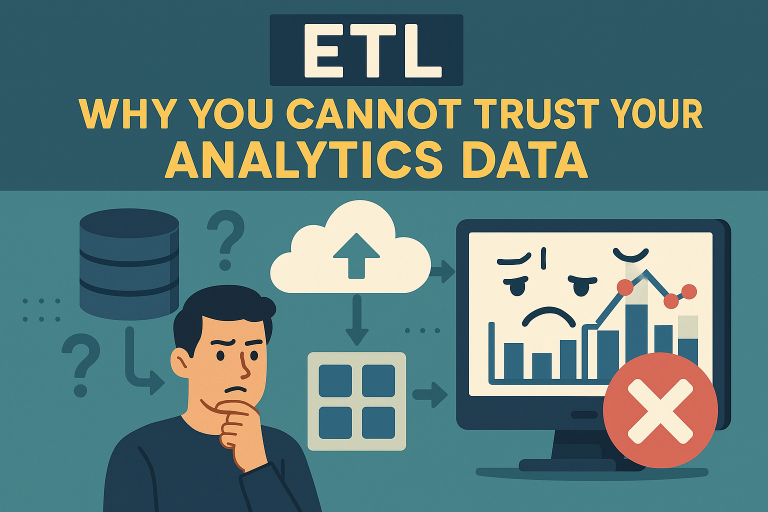
Data Transformations Cause Analytics Data Trust Issues Most data used for analytics has been transformed and integrated from multiple source datasets. This data transformation process introduces...

Universally Interoperable Datasets that Work Together in a Modular Data Fabric In a world of disparate, siloed datasets, the FAIR data principles have emerged as critical...

Many data administration methods are developed without any scientific basis and, therefore, often fail to deliver. In contrast, Direct Dataset Interoperability Science was developed based on...

Maxxphase introduces advanced data fabrics as a new and very innovative type of data architecture. We design and implement Advanced Data Fabrics using Compatible Data Modeling...

Compatible Data Modeling is an innovative modernization of traditional data modeling methods. Fundamentally, Compatible Data Modeling addresses the lack of referential data integrity between datasets instantiated...

What Are Modular Datasets? Can you imagine a world where datasets seamlessly connect like Lego Blocks? Imagine forming a consistent data architecture without the usual data...

Data modeling has been in use for over four decades. While several styles have evolved, some significant data model flaws remain, and only our patented compatible...

In a recent website post The Five S’s of Nextdata, Zhamak Dehghani discussed data product containerization. Aspirationally, Zhamak states “Data product containers are the standard for...

Today, Businesses spend a lot of time, effort, and money on datasets supporting their business operations and analytics. Can your data modeling strategy impact that time,...

Most data management IT tasks are complex and tedious because the data foundation is disparate. Data commonality between datasets does not exist which isolates the data...

Comprehensive data integrity between and within datasets is ensured using Maxxphase's Data Compatibility, thereby fostering trust in your data. Modern technologies, such as AI, require trustworthy,...

The Problem The world of data is growing and growing rapidly. According to Forbes “data volumes are exploding. More data has been created in the past...

Artificial Intelligence(AI) and Data Compatibility are perfect together because Data Compatibility provides exactly the data foundation needed to support modern technologies such as AI. A recent...